Shinjuku Boys (1995)
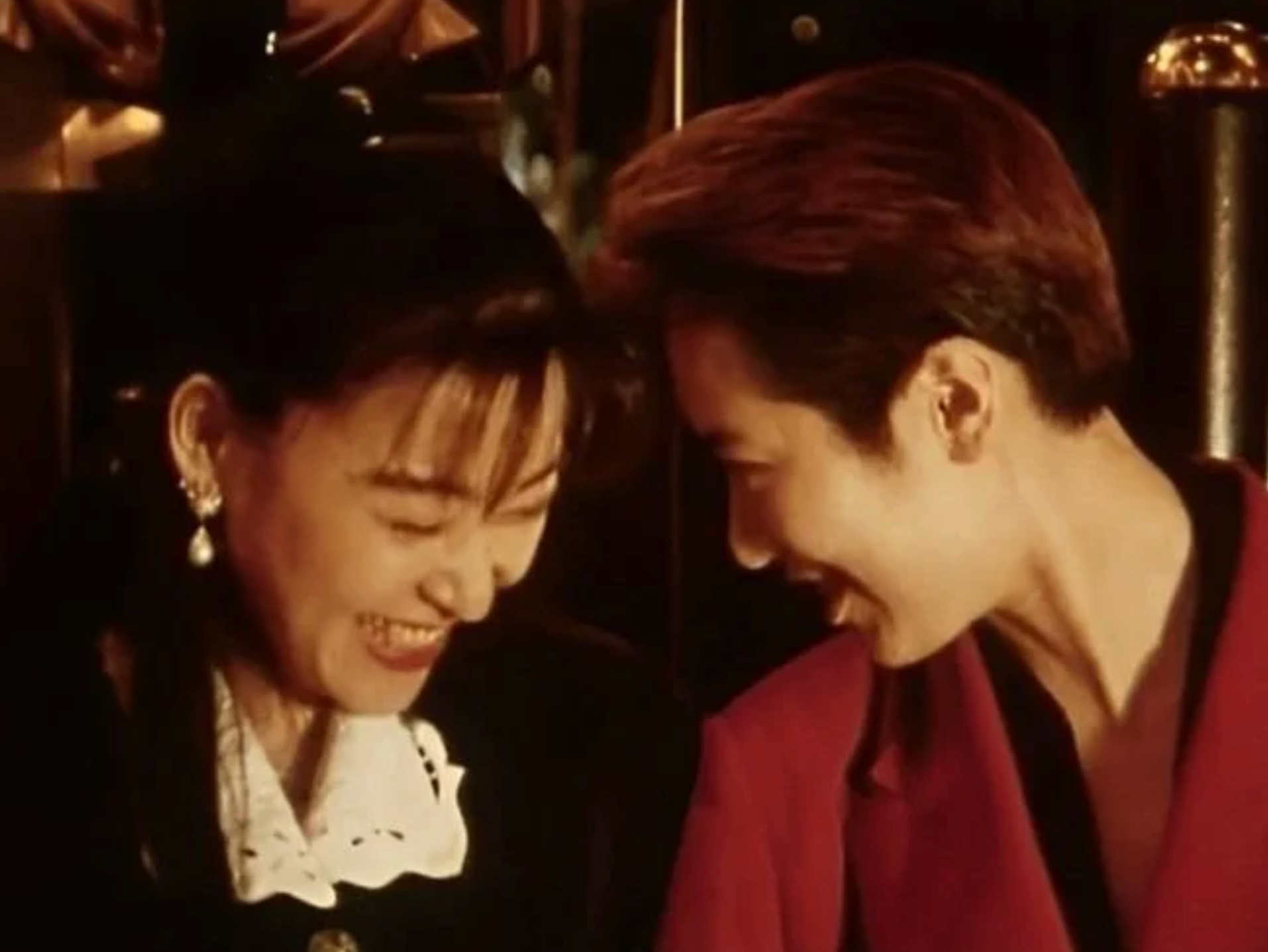
This month on the AQUA Film Club: an intimate documentary about three trans-masc nightclub workers in Tokyo.
by Zegan Doyle
Neon lights, stylish suits, techno music.
Shinjuku was Tokyo's largest entertainment neighborhood in the '80s and '90s. At the New Marilyn nightclub, trans-masculine nightclub laborers work as onabe hosts. The term onabe describes their gender expression. It's an outdated slang word whose literal translation means a pan. The clientele who frequent these nightclubs are heterosexual women who pay the trans-masc hosts for their time and attention. They consider the hosts "special boyfriends” who can meet their emotional needs.
This is the world of Shinjuku Boys (1995), a documentary directed by UK filmmakers Kim Longinotto and Jano Williams. The film features three onabe hosts. Each host embodies a unique persona at the nightclub: Gaish is the bad boy. Kazuki is the cuddly type. Tatsu is the sweet karaoke singer.
In between work shifts at the nightclub, we see glimpses of their personal lives. Simple acts like getting a shave at the barbershop or binding their chest feel intimate. We learn about the distinctiveness of their identities. Some identify as butch lesbians, others as trans-masc non-binary. The hosts discuss their divergent attitudes about work, sex, body, testosterone, relationships, family, and childhood. But what makes the film a true standout is how honest and open they discuss their lives. Their frankness is as striking as it is disarming.
With a cigarette in one hand and a Budweiser in the other, these trans-masc nightclub hosts invite us into their lives and the gritty Shinjuku scene.
Kim Longinotto, Jano Williams, Shinjuku Boys, 53 min, video, color, sound, 1995.